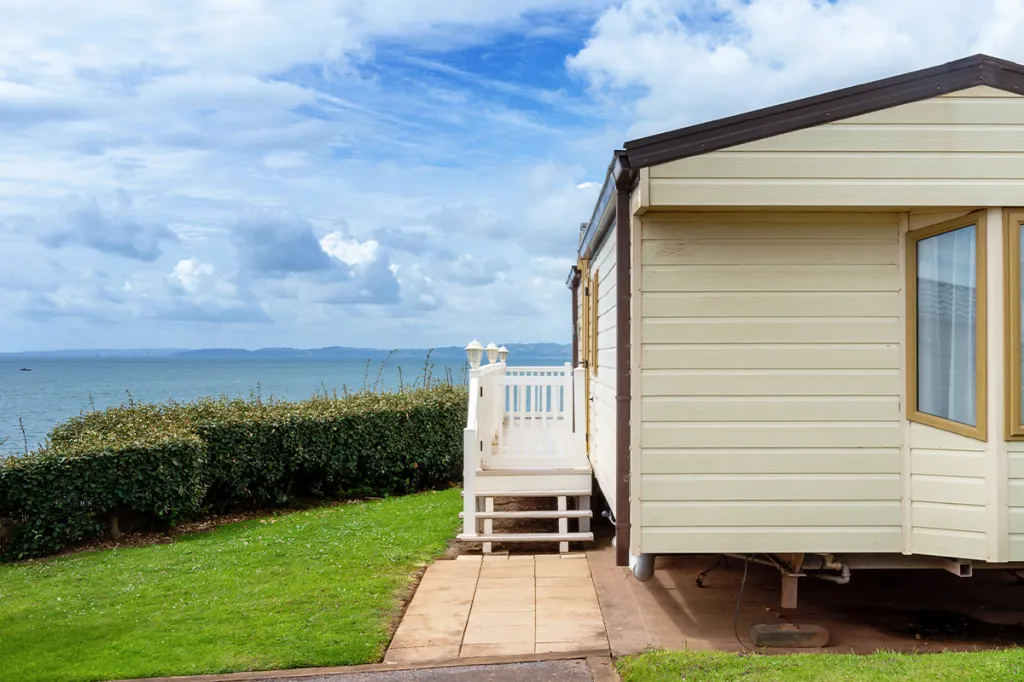
Buying your first manufactured home community (MHC) looks like a straightforward real estate deal, so it’s common for new owners underwrite it like one. They price it against apartments or single family rentals. Only later do they find the operating model isn’t the same.
There’s a need for more affordable housing nationwide, and MHCs continue to be a popular solution. Currently, there are approximately 6.7 million occupied manufactured homes in the U.S. In rural areas, manufactured homes make up about 13% of occupied housing (more than half the total supply of manufactured homes). The affordability of these homes keeps pulling in buyers, including first-time MHC owners who’ve never run a land-lease business.
The steps below are the ones first-time MHC owners are most likely to skip. Work through them before you buy, and you’ll likely find that the first year runs a lot smoother.
Key takeaways
- Diligence on utilities, roads and zoning matters more here than in typical real estate transactions, because private systems and nonconforming-use status transfer to you at closing, unpriced
- Manufactured housing runs on its own state and local laws, and general real estate counsel can miss what applies, especially in the lease terms
- The rent roll and existing leases are the terms you inherit and operate under, so underwrite the deal on what they actually say, not on the seller’s projection
- Get your community management software up before day one, so you’re not building the system while you’re still learning the property
Understand what you’re actually buying
In most communities, residents pay to lease the land their manufactured home sits on, while owning the home itself. In fact, about 86% of residents own or are buying their home. It makes you a land-lease operator, not a landlord in the usual sense, and your income comes from the lot, not the unit.
Turnover works differently too. A resident who leaves often sells the home to the next resident instead of vacating a unit you re-lease, and residents tend to stay a long time — the average is more than 10 years. Lower turnover means steadier occupancy, but it also means the terms you inherit at closing are the terms you live with for a while.
Some communities also come with park-owned homes, where you own the physical home and rent it out whole. Those carry maintenance and financing questions that lot rent doesn’t. Find out how many you’re inheriting before you sign.
Do your due diligence on the utilities & infrastructure
This is where first-time buyers often get an unpleasant surprise. A lot of communities run on private utility systems and private roads, which means the cost of keeping them working sits with you, not the city.
Map the utility systems before you close
Find out what’s public and what’s private. Private water wells and septic or package treatment plants come with testing, permits and eventual replacement. A city water and sewer hookup shifts most of that off your plate. Find out which one you’re buying.
Check how utilities are metered & billed
Master-metered communities pay one utility bill for the whole property and recover it through rent or a billback. If usage climbs or rates rise, that exposure is yours until you can submeter. Confirm the setup and the billing history before you close.
Inspect roads, pads & drainage
The roads, home pads and drainage are yours the day you take over. Deferred work may not show up in the asking price. Make a point of walking the property with an expert inspector who knows what a failing pad or a drainage problem looks like.
Know the zoning & land use rules before you close
Many manufactured home communities operate as a legal nonconforming use. In other words, if the community predates the current zoning it gets to keep running as it did before the rules changed.
The catch is what happens if that stops. If a nonconforming community is heavily damaged or sits empty past a limit the jurisdiction sets, you may lose the right to rebuild it as a community. Verify the zoning and the nonconforming status with the local planning office before you close. Ask what would trigger a loss of that status.
Learn the state & local laws that govern manufactured housing
Manufactured housing often has its own body of law, separate from standard residential landlord-tenant rules. Many states have a dedicated manufactured housing or mobile home statute that sets its own notice periods, lease requirements and rules for closing a community. A handful regulate lot rent or rent increases directly.
Read the statute for your state, or have counsel read it for you, before you purchase and set any policy.
Get manufactured-housing-specific counsel
A general real estate attorney is not the same as a lawyer who works in manufactured housing. The rules that govern your leases and rent increases sit inside the MH statute, and a lawyer outside the niche can miss them.
Leasing is where it pays off most. Have counsel draft or review your lot lease and confirm it matches what your state’s statute requires. Getting the lease right at the start is cheaper than fixing it after a dispute.
Read the rent roll before you trust the price
The rent roll is a detailed report listing all rental units in a property, showing tenants, lease terms, rent amounts and occupancy status at a specific point in time. On the first purchase, it often tells a different story than the listing. Older leases can lock in lot rents well below market, which caps what you can raise and when. Some residents may be on handshake terms with nothing in writing, which is a problem you inherit the day you close.
You’ll also want the split between tenant-owned and park-owned homes, since that changes both your liability and your income. Underwrite the community on what the rent roll shows today, not on the seller’s projection of what it could earn.
Set up community management software before day one
From the first day you own the community, you’re tracking lot rent, leases, maintenance requests and resident records across every home on the property. On a small team, that work either lives in one system or it lives in spreadsheets and a filing cabinet.
Yardi Breeze Premier puts rent, online payments, leases, maintenance and resident communication in one platform, so a small operator can run the whole community from a single system. For a first-time owner without a back office, having the right software in place before you take over means you’re not rebuilding your records after the fact.
Your first-steps checklist
Before you close on a manufactured home community:
- Confirm the ownership model and how many homes are tenant-owned versus park-owned
- Map the utilities and check whether they’re public or private
- Verify the zoning and any nonconforming-use status with the local planning office
- Read the manufactured housing statute for your state
- Hire counsel who works in manufactured housing, especially for the leases
- Underwrite the deal on the actual rent roll
- Get your community management software in place before day one
Watch a demo for a quick look at how Yardi Breeze Premier handles manufactured housing community management.
Frequently asked questions
What is lot rent in a manufactured home community?
In a manufactured home community, the resident usually owns the home and pays the owner a monthly rent for the land it sits on. That land rent is the lot rent, and it’s the community owner’s main source of income.
Can you rebuild a manufactured home community that’s a nonconforming use?
Not always. If local zoning no longer permits the community and it’s heavily damaged or sits empty past a set limit, some jurisdictions won’t let you rebuild. Confirm the nonconforming status with the local planning office before you buy.
Do you need a special attorney to buy a mobile home park?
You want counsel who works in manufactured housing specifically. Lot leases and rent rules run on state manufactured housing statutes a general real estate attorney can miss, and leasing is where the mistakes get expensive.
Disclaimer
This article is for informational purposes only and does not constitute legal advice. Laws governing manufactured home communities, zoning and leasing vary by state and locality and change over time. Consult your attorney and review your state’s manufactured housing statutes before you buy or set operating policy.